Original: $47.09
-65%$47.09
$16.48The Story
Edition: 1st ed.,
Condition remarks:
Book: Good
Jacket: Worn/faded, no tears
Pages: Good
Markings: No markings
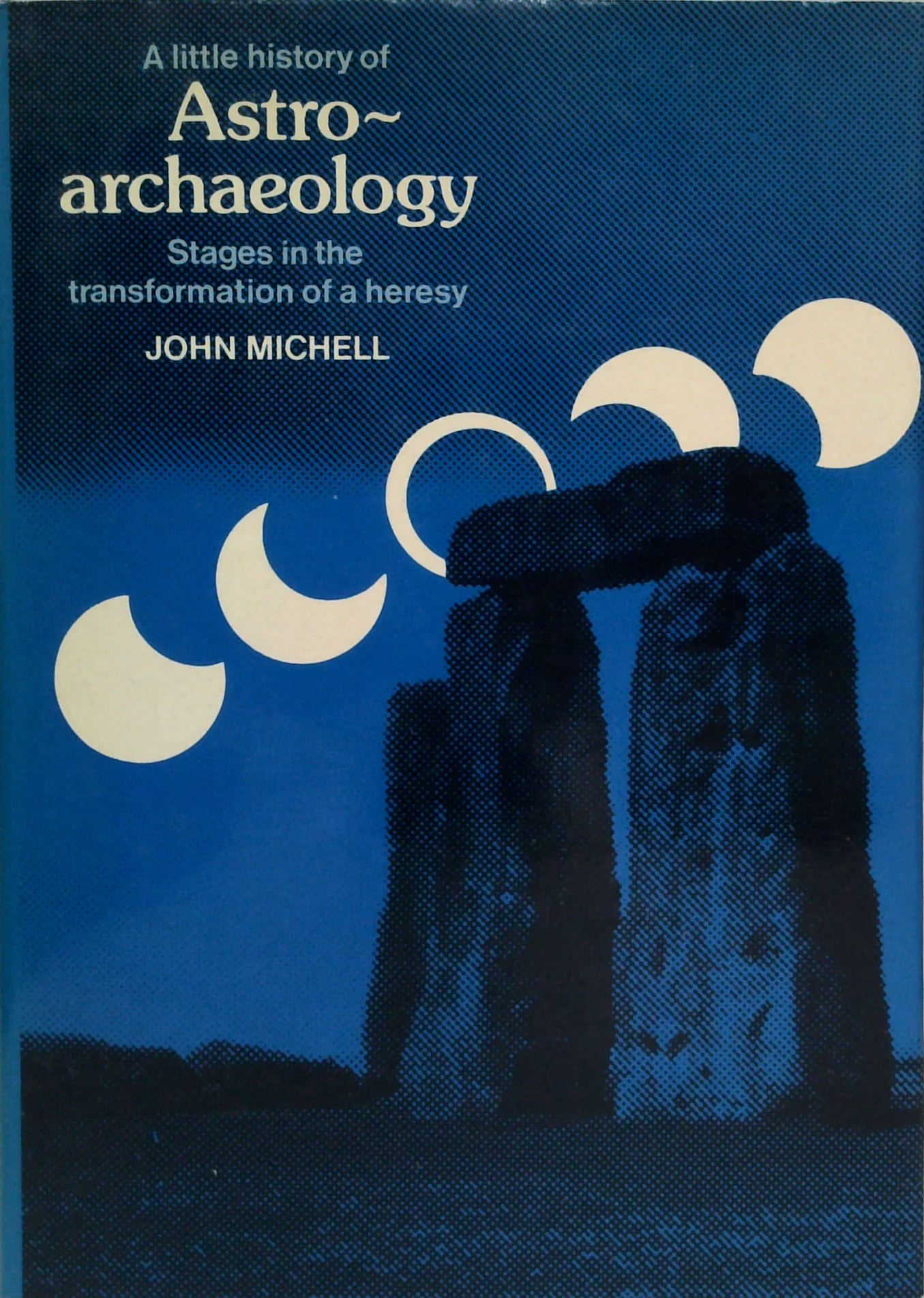
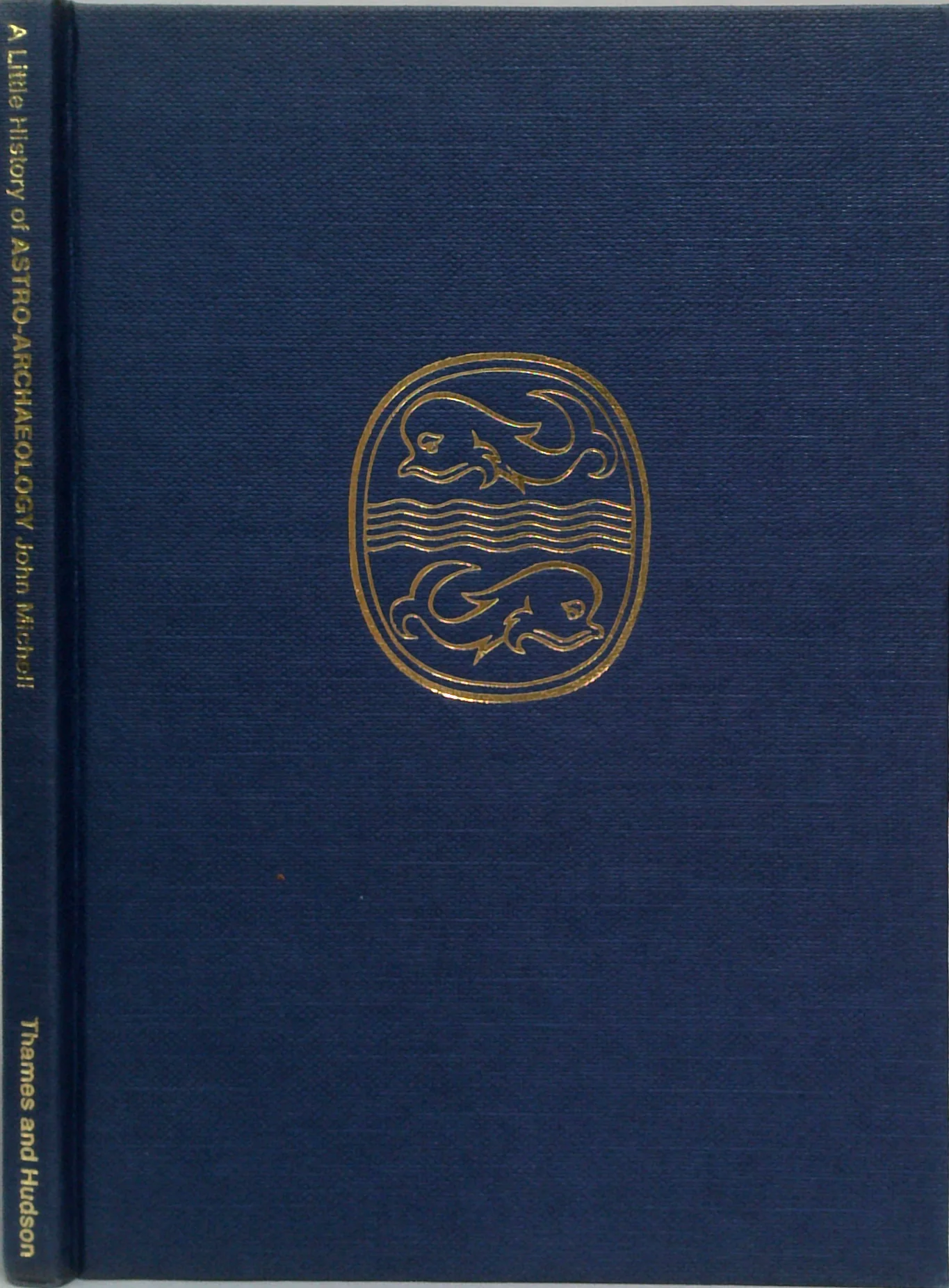
Condition remarks: Boards in good condition. Faded DJ. Binding remains tight. Yellowed pages. Clean and bright text.
In A Little History Of Astro-Archaeology, John Michell chronicles the fascinating intersection of ancient civilizations and celestial observation. This insightful non-fiction work uncovers the intricate ways our ancestors integrated astronomical alignments into their monumental architecture and sacred landscapes. Michell presents compelling arguments for a sophisticated understanding of the cosmos among prehistoric cultures, detailing how structures like Stonehenge and the pyramids may have served as cosmic observatories. The text illustrates a profound connection between early human societies and the rhythms of the heavens, offering a unique perspective on the origins of science and spirituality. It argues for a re-evaluation of ancient wisdom, challenging conventional historical narratives with its meticulous research and speculative theories.
Details & Craftsmanship
Every detail has been carefully considered to bring you the perfect product.
Description
Edition: 1st ed.,
Condition remarks:
Book: Good
Jacket: Worn/faded, no tears
Pages: Good
Markings: No markings
Condition remarks: Boards in good condition. Faded DJ. Binding remains tight. Yellowed pages. Clean and bright text.
In A Little History Of Astro-Archaeology, John Michell chronicles the fascinating intersection of ancient civilizations and celestial observation. This insightful non-fiction work uncovers the intricate ways our ancestors integrated astronomical alignments into their monumental architecture and sacred landscapes. Michell presents compelling arguments for a sophisticated understanding of the cosmos among prehistoric cultures, detailing how structures like Stonehenge and the pyramids may have served as cosmic observatories. The text illustrates a profound connection between early human societies and the rhythms of the heavens, offering a unique perspective on the origins of science and spirituality. It argues for a re-evaluation of ancient wisdom, challenging conventional historical narratives with its meticulous research and speculative theories.