The Story
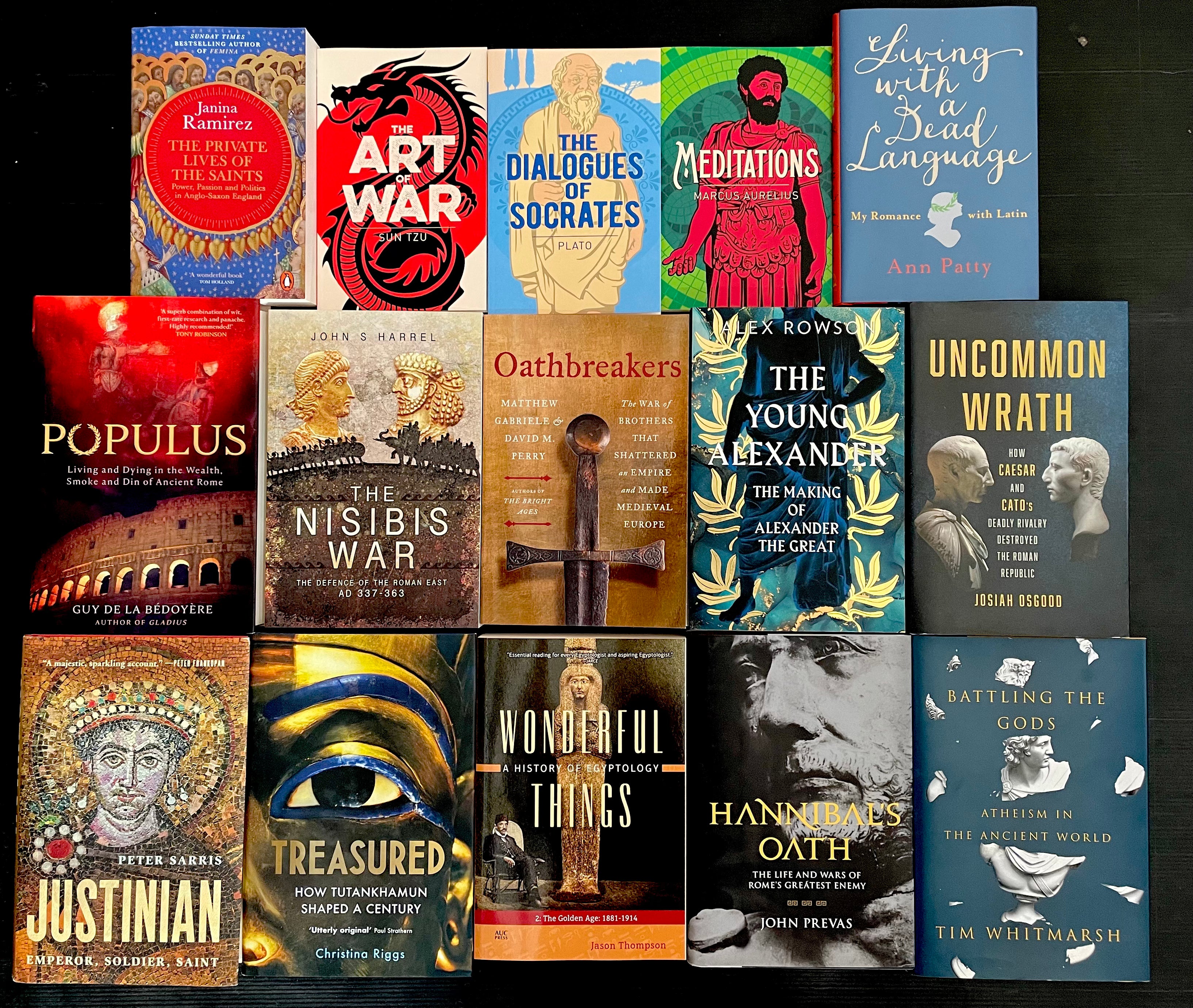
Ideas & Influences of the Ancient World Bargain Book Box (15 Books)
The ancient world didn't just shape history — it shaped how we think, fight, govern, and grieve. This fifteen-book collection spans Egypt at the height of the Egyptology craze, Rome in its grandeur and its collapse, the Greek philosophers whose questions we're still arguing about, and the military commanders whose names have never stopped being invoked. Alongside the scholarship are three texts that have outlasted every empire they were written in: Plato, Marcus Aurelius, and Sun Tzu. A box for readers who want to understand where the modern world came from.
1. Wonderful Things: A History of Egyptology 2 — The Golden Age: 1881–1914 by Jason Thompson The decades between 1881 and 1914 were Egyptology's most intoxicating period — a race between nations, scholars, and adventurers to unlock a civilisation that had been silent for millennia. Thompson chronicles the excavations, the rivalries, and the discoveries with the authority of a historian who knows this world inside out.
2. Treasured: How Tutankhamun Shaped a Century by Christina Riggs The discovery of Tutankhamun's tomb in 1922 didn't just make headlines — it rewired Western culture's relationship with ancient Egypt, touching everything from fashion to film to politics. Riggs examines not just the find itself but the century of obsession it unleashed, asking sharp questions about who gets to own the past.
3. Uncommon Wrath: How Caesar and Cato's Deadly Rivalry Destroyed the Roman Republic by Josiah Osgood The fall of the Roman Republic is one of history's great political tragedies, and at its heart was a personal hatred between two brilliant, implacable men. Osgood reconstructs the Caesar-Cato rivalry with forensic precision, showing how ideology, ego, and genuine principle combined to bring down a five-hundred-year-old system of government.
4. Justinian: Emperor, Soldier, Saint by Peter Sarris Justinian ruled an empire in crisis and responded by trying to reconquer the ancient Roman world, codify its laws, and build some of its most enduring architecture — all simultaneously. Sarris, one of the leading Byzantine historians of his generation, gives us a Justinian who is neither the distant icon of the mosaics nor a simple autocrat, but a complicated and driven man operating at the edge of what was possible.
5. The Nisibis War: The Defence of the Roman East, AD 337–363 by John S. Harrel The long Roman-Persian struggle for control of the eastern frontier is one of antiquity's most consequential and least-told conflicts. Harrel reconstructs the campaigns, sieges, and diplomacy of the Nisibis War with meticulous care, restoring a theatre of war that shaped the fate of two empires.
6. Populus: Living and Dying in the Wealth, Smoke and Din of Ancient Rome by Guy de la Bédoyère Rather than emperors and senators, de la Bédoyère is interested in the million-odd ordinary Romans who lived cheek by jowl in the most densely populated city the ancient world had ever seen — the noise, the smells, the street food, the constant threat of fire, and the remarkable social machinery that held it all together.
7. The Dialogues of Socrates by Plato Socrates never wrote a word — everything we know of him comes through Plato's extraordinary dialogues, where philosophy is conducted not through treatise but through argument, provocation, and the relentless asking of uncomfortable questions. Two and a half millennia later, the questions haven't been answered.
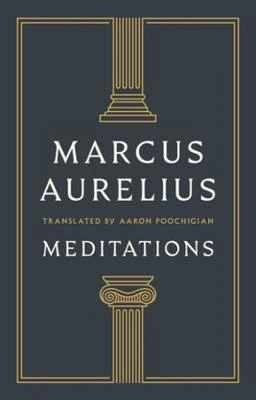
8. Meditations by Marcus Aurelius A Roman emperor's private notebook, never intended for publication, in which he wrestles with how to live well under pressure, resist vanity, accept mortality, and do his duty without losing himself. The most enduring work of Stoic philosophy, and still genuinely useful.
9. Living With A Dead Language: My Romance with Latin by Ann Patty In her fifties, book editor Ann Patty decided to learn Latin — and found that a supposedly dead language had more to say about the present than she expected. Part memoir, part love letter to the ancient world, it's a book for anyone who has ever wondered what we lose when we stop reading the classics.
10. The Private Lives of the Saints: Power, Passion and Politics in Anglo-Saxon England by Janina Ramirez The Anglo-Saxon saints were not the serene figures of later iconography — they were political operators, power brokers, and occasionally dangerous individuals navigating a violent and fascinating world. Ramirez strips back the hagiography to find the human beings underneath.
11. The Art of War by Sun Tzu Written in China around the fifth century BC, never out of print, still being cited in business schools, military academies, and boardrooms. Whatever you think of its modern applications, as a work of strategic thought in its original context it remains genuinely remarkable.
12. Oathbreakers: The War of Brothers That Shattered an Empire and Made Medieval Europe by Matthew Gabriele When Charlemagne's grandsons tore his empire apart in civil war, they didn't just destroy a dynasty — they drew the borders of modern Europe and established the political logic that would govern it for centuries. Gabriele tells the story with urgency and makes the case that this forgotten conflict matters more than we realise.
13. Battling the Gods by Tim Whitmarsh The ancient world was not uniformly devout — atheism, scepticism, and outright rejection of the gods were present from the beginning of recorded Greek thought. Whitmarsh recovers this suppressed tradition, making a compelling argument that disbelief is as ancient as belief.
14. The Young Alexander: The Making of Alexander the Great by Alex Rowson Before the conquests, there was a boy growing up in a volatile Macedonian court, educated by Aristotle, watching his father wage war, and absorbing everything. Rowson focuses on Alexander's formative years, arguing that understanding the man begins with understanding the world that made him.
15. Hannibal's Oath: The Life and Wars of Rome's Greatest Enemy by John Prevas Hannibal crossed the Alps with elephants, won three of the most devastating battles in Roman history, and came closer than anyone to destroying the Republic — yet ultimately lost. Prevas traces the full arc of his extraordinary career, from the oath of eternal enmity sworn in childhood to the lonely end in exile.
Description
Ideas & Influences of the Ancient World Bargain Book Box (15 Books)
The ancient world didn't just shape history — it shaped how we think, fight, govern, and grieve. This fifteen-book collection spans Egypt at the height of the Egyptology craze, Rome in its grandeur and its collapse, the Greek philosophers whose questions we're still arguing about, and the military commanders whose names have never stopped being invoked. Alongside the scholarship are three texts that have outlasted every empire they were written in: Plato, Marcus Aurelius, and Sun Tzu. A box for readers who want to understand where the modern world came from.
1. Wonderful Things: A History of Egyptology 2 — The Golden Age: 1881–1914 by Jason Thompson The decades between 1881 and 1914 were Egyptology's most intoxicating period — a race between nations, scholars, and adventurers to unlock a civilisation that had been silent for millennia. Thompson chronicles the excavations, the rivalries, and the discoveries with the authority of a historian who knows this world inside out.
2. Treasured: How Tutankhamun Shaped a Century by Christina Riggs The discovery of Tutankhamun's tomb in 1922 didn't just make headlines — it rewired Western culture's relationship with ancient Egypt, touching everything from fashion to film to politics. Riggs examines not just the find itself but the century of obsession it unleashed, asking sharp questions about who gets to own the past.
3. Uncommon Wrath: How Caesar and Cato's Deadly Rivalry Destroyed the Roman Republic by Josiah Osgood The fall of the Roman Republic is one of history's great political tragedies, and at its heart was a personal hatred between two brilliant, implacable men. Osgood reconstructs the Caesar-Cato rivalry with forensic precision, showing how ideology, ego, and genuine principle combined to bring down a five-hundred-year-old system of government.
4. Justinian: Emperor, Soldier, Saint by Peter Sarris Justinian ruled an empire in crisis and responded by trying to reconquer the ancient Roman world, codify its laws, and build some of its most enduring architecture — all simultaneously. Sarris, one of the leading Byzantine historians of his generation, gives us a Justinian who is neither the distant icon of the mosaics nor a simple autocrat, but a complicated and driven man operating at the edge of what was possible.
5. The Nisibis War: The Defence of the Roman East, AD 337–363 by John S. Harrel The long Roman-Persian struggle for control of the eastern frontier is one of antiquity's most consequential and least-told conflicts. Harrel reconstructs the campaigns, sieges, and diplomacy of the Nisibis War with meticulous care, restoring a theatre of war that shaped the fate of two empires.
6. Populus: Living and Dying in the Wealth, Smoke and Din of Ancient Rome by Guy de la Bédoyère Rather than emperors and senators, de la Bédoyère is interested in the million-odd ordinary Romans who lived cheek by jowl in the most densely populated city the ancient world had ever seen — the noise, the smells, the street food, the constant threat of fire, and the remarkable social machinery that held it all together.
7. The Dialogues of Socrates by Plato Socrates never wrote a word — everything we know of him comes through Plato's extraordinary dialogues, where philosophy is conducted not through treatise but through argument, provocation, and the relentless asking of uncomfortable questions. Two and a half millennia later, the questions haven't been answered.
8. Meditations by Marcus Aurelius A Roman emperor's private notebook, never intended for publication, in which he wrestles with how to live well under pressure, resist vanity, accept mortality, and do his duty without losing himself. The most enduring work of Stoic philosophy, and still genuinely useful.
9. Living With A Dead Language: My Romance with Latin by Ann Patty In her fifties, book editor Ann Patty decided to learn Latin — and found that a supposedly dead language had more to say about the present than she expected. Part memoir, part love letter to the ancient world, it's a book for anyone who has ever wondered what we lose when we stop reading the classics.
10. The Private Lives of the Saints: Power, Passion and Politics in Anglo-Saxon England by Janina Ramirez The Anglo-Saxon saints were not the serene figures of later iconography — they were political operators, power brokers, and occasionally dangerous individuals navigating a violent and fascinating world. Ramirez strips back the hagiography to find the human beings underneath.
11. The Art of War by Sun Tzu Written in China around the fifth century BC, never out of print, still being cited in business schools, military academies, and boardrooms. Whatever you think of its modern applications, as a work of strategic thought in its original context it remains genuinely remarkable.
12. Oathbreakers: The War of Brothers That Shattered an Empire and Made Medieval Europe by Matthew Gabriele When Charlemagne's grandsons tore his empire apart in civil war, they didn't just destroy a dynasty — they drew the borders of modern Europe and established the political logic that would govern it for centuries. Gabriele tells the story with urgency and makes the case that this forgotten conflict matters more than we realise.
13. Battling the Gods by Tim Whitmarsh The ancient world was not uniformly devout — atheism, scepticism, and outright rejection of the gods were present from the beginning of recorded Greek thought. Whitmarsh recovers this suppressed tradition, making a compelling argument that disbelief is as ancient as belief.
14. The Young Alexander: The Making of Alexander the Great by Alex Rowson Before the conquests, there was a boy growing up in a volatile Macedonian court, educated by Aristotle, watching his father wage war, and absorbing everything. Rowson focuses on Alexander's formative years, arguing that understanding the man begins with understanding the world that made him.
15. Hannibal's Oath: The Life and Wars of Rome's Greatest Enemy by John Prevas Hannibal crossed the Alps with elephants, won three of the most devastating battles in Roman history, and came closer than anyone to destroying the Republic — yet ultimately lost. Prevas traces the full arc of his extraordinary career, from the oath of eternal enmity sworn in childhood to the lonely end in exile.